

A new way to think about alcohol.

Our relationship with alcohol is complicated. We need new ways to think and talk about alcohol that reflect the varied ways we use and experience it.


Many of us drink excessively and don’t even know it
One in five people in Oregon1 drink excessively. Most people in this group are not affected by alcoholism or an alcohol use disorder. However, people who drink excessively increase their odds of developing these problems.2 It’s easy to cross the line into higher-risk drinking without realizing it. That's partly because society makes it easy for us to drink this way. Find out more about excessive alcohol use.

More than headaches and hangovers
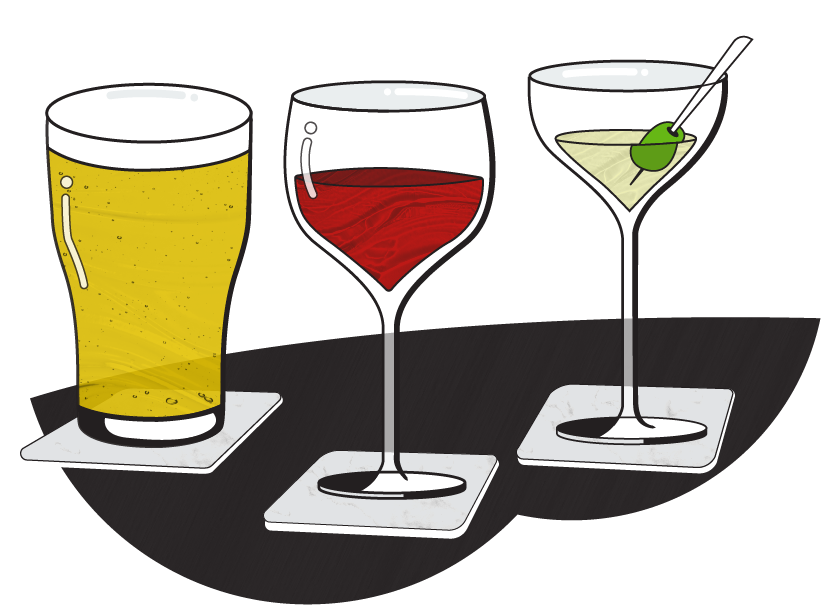
It’s complicated
The alcohol industry provides thousands of jobs for people in Oregon. It fuels livelihoods and brings us together. Oregon also produces some of the world’s finest beers, wines and spirits — something we’re really proud of. But excessive drinking comes with heavy costs for all of us. That's true whether we drink or not. Those costs affect our children, families, businesses and communities.
Rethinking is a good thing
“Rethink the Drink” is not a code phrase for “stop drinking.” (Although we do offer resources to help you drink less). We’re simply asking people to pause and consider the role of alcohol in our lives and communities. Could we handle our alcohol in healthier ways?
How did we get here?
A few questions for all of us, whether we drink or not

Who drinks excessively?
More of us than you might think. Binge and heavy drinking are common among adults of all ages. Twentysomethings, older adults and everyone in between. In fact, people in Oregon in their 30s and 40s binge drink at close to the same rates as younger people.1 Rethinking how we interact with alcohol has benefits at every stage of life. Learn how much alcohol is too much.
What kills more people in Oregon: excessive drinking or other drugs?
About 3,000 people in Oregon die from alcohol-related causes every year. That’s more than die from other drug overdoses.4 In the U.S., excessive alcohol use causes an alarming 1 in 5 deaths of people ages 20-49.5 We can start to reduce that toll. We can recognize how society makes excessive drinking seem harmless and even “normal."
How would our lives be different if there was less alcohol in them?
What if we drank less each week or each month? What if we could go to a party without needing to explain why we’re not drinking? What if kids could walk to school without passing billboards that encourage excessive drinking?